

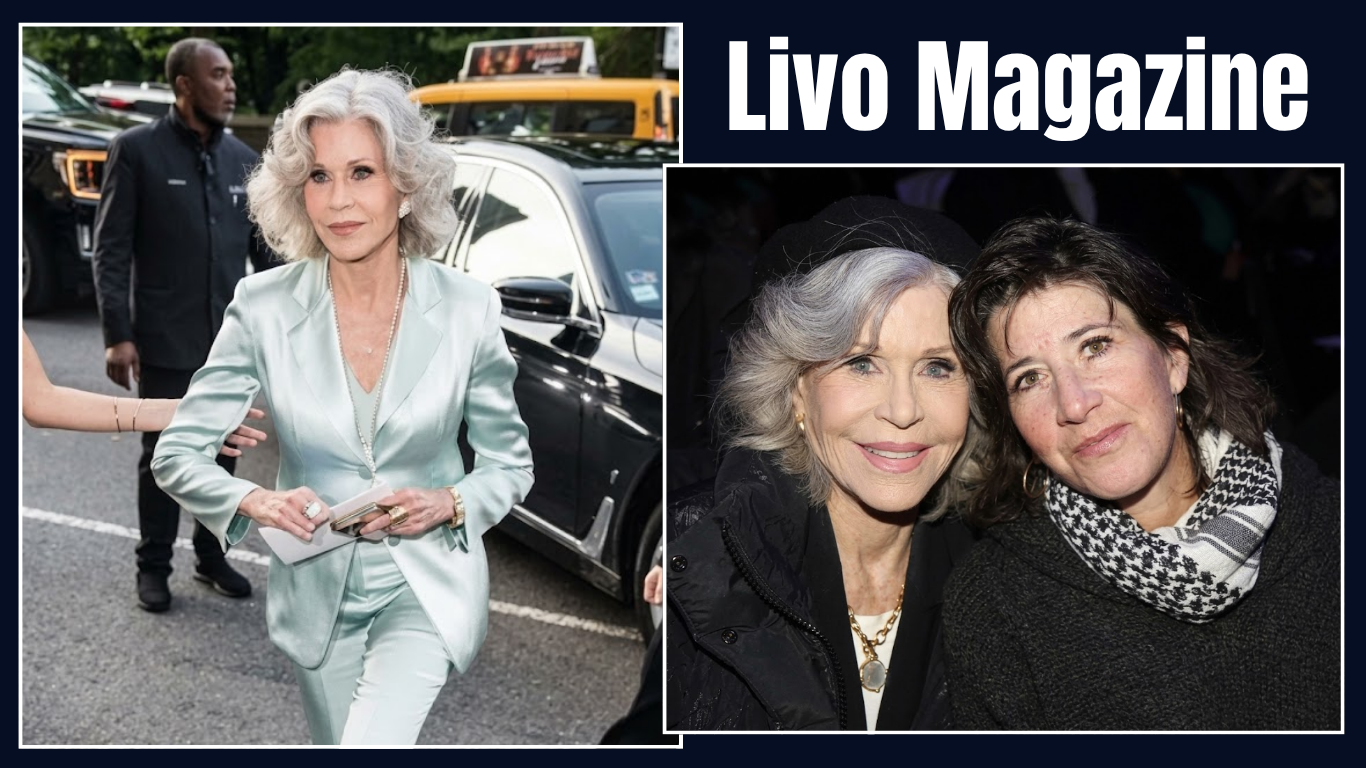
If you have ever wondered who is vanessa vadim, you are not alone; while her mother dominates red carpets and international headlines, she chose a quiet, deliberate path behind the camera and inside the soil. Born into one of the most famous entertainment families in modern history, she inherited incredible artistic privileges along with an intense, persistent public spotlight. Yet, instead of chasing red-carpet glamour or mainstream Hollywood fame, she built a grounded lifestyle focused on documentary filmmaking, ecological journalism, and community-based environmental activism. Her story is a rare example of a Hollywood scion choosing purpose over celebrity.
Understanding her requires looking past the glitz of her famous last name and examining the deliberate creative choices she has made over the decades. As the daughter of iconic actress Jane Fonda and legendary French film director Roger Vadim, her early life was shaped by global stardom, intense political activism, and constant media scrutiny. However, she channeled those unique childhood experiences into a lifelong passion for social movement documentary work, organic farming, and sustainable living. Her journey proves that true success lies in forging an authentic identity on your own terms.
The Hollywood Lineage: Growing Up in the Fonda-Vadim Dynasty
To fully answer who is vanessa vadim, one must look closely at her extraordinary family lineage, which reads like a comprehensive history of twentieth-century cinema. Born in Paris, France, in 1968, she entered a world where creative storytelling and public celebrity were completely unavoidable daily realities. Her mother, Jane Fonda, was already evolving into an iconic Academy Award-winning actress and a fearless political activist, while her father, Roger Vadim, was celebrated internationally as the stylish director who helped launch stars like Brigitte Bardot and Catherine Deneuve. Living between the artistic circles of Paris and California exposed her to world-class cinema, literature, and social debates from her earliest memories.
This rich artistic environment extended far beyond her immediate household to include generations of legendary performers. Her maternal grandfather was Henry Fonda, one of the most revered figures in classic Hollywood history, famous for his powerful cinematic roles and stage presence. Her uncle Peter Fonda starred in and produced counterculture masterpieces, while her cousin Bridget Fonda went on to build an accomplished acting career of her own. Growing up amidst such immense talent gave her a front-row seat to the entertainment industry, but it also showed her early on the heavy personal cost of public fame.
Early Life, Education, and Finding Her Own Identity
Despite being surrounded by high-profile glitz, her formative years were shaped by an earnest search for personal direction and quiet self-expression. Spending her childhood split between European culture and American political movements gave her a broad, thoughtful perspective on world issues. Rather than leaning into her family’s social status, she focused heavily on her academic pursuits, developing an intense interest in classic literature, creative writing, and political science. She eventually attended Brown University, a prestigious Ivy League institution where she earned her degree while immersing herself in independent film theory and creative visual storytelling.
During her university years, she realized that her true artistic passion lay in real-world documentation rather than dramatic performance. While talent agents and film producers were eager to place her in front of the camera, she resisted the temptation to pursue a conventional acting career. She recognized that stepped onto the soundstage as an actress would invite constant, unhelpful comparisons to her famous mother and grandfather. By choosing instead to stand behind the camera lens, she retained complete creative control over her work, ensuring that her creative contributions would be judged entirely on their own technical and narrative merits.
Filmography and Creative Career: Life Behind the Camera
Her professional career as a documentary filmmaker reflect a steady commitment to highlighting overlooked voices, grassroots human struggles, and rich cultural traditions. Rather than directing commercial blockbusters, she turned her camera toward intimate, human-centered narratives that resonated with social importance. In 2002, she directed and produced the critically acclaimed short documentary The Quilts of Gee’s Bend, which chronicled the lives, artistic traditions, and historical struggles of African American women quilters in rural Alabama. The film offered an empathetic look at how art, community resilience, and history intersect in deep, meaningful ways.
In addition to her directorial projects, she has worked extensively across the independent film industry as a skilled cinematographer, producer, and editor. She contributed her technical and creative expertise to prominent non-fiction projects, including the politically charged 1993 documentary The Last Party, which explored youth culture and American politics. She also provided cinematography work for indie music documentaries like Blue is Beautiful, demonstrating her versatile mastery of visual framing. Throughout her cinematic career, her primary goal has never been box-office success, but rather using visual media as a tool for storytelling, preservation, and social reflection.
Environmental Activism: Carrying Forward the Family Crusade
When exploring the question of who is vanessa vadim, her deep commitment to environmental stewardship emerges as a central, defining column of her life. Growing up alongside a mother who famously risked her career for political movements, she naturally absorbed a deep sense of social responsibility. However, she directed her activist energy primarily toward ecological preservation, clean living, and environmental justice. She recognized early on that climate change and environmental degradation are among the most critical issues facing modern society, prompting her to turn her advocacy into a full-time passion.
Her environmental work spans both insightful journalism and direct, hands-on community action. For years, she worked as a syndicated environmental columnist, writing thoughtful pieces for well-read platforms such as Mother Nature Network (MNN) and The Daily Beast. Through her written work, she educated readers on practical eco-friendly habits, toxin-free parenting, organic gardening, and sustainable architecture. Beyond her keyboard, she actively participates in grassroots eco-projects, advocating fiercely for clean water protection, soil regeneration, and reduced reliance on harmful industrial toxins across everyday American households.
Relationship with Jane Fonda: Navigating a Complex Mother-Daughter Dynamic
Growing up as the daughter of a globally renowned icon was not without its emotional hurdles and complex personal dynamics. During the late 1960s and 1970s, Jane Fonda was heavily immersed in global political movements, anti-war protests, and demanding film shoots, which meant home life was sometimes chaotic and unpredictable. In later years, Fonda candidly admitted in public interviews and documentaries that her early focus on career and activism sometimes overshadowed her parental presence, leading to emotional distance during her daughter’s formative childhood years.
Over time, however, their mother-daughter dynamic evolved into a mature bond rooted in deep mutual respect, shared values, and honest communication. As both women matured, they worked through past misunderstandings, bonding closely over their mutual passion for environmental justice and political activism. While she famously declined to appear on camera for the 2018 HBO documentary Jane Fonda in Five Acts to protect her privacy, her decision was respected by her family. Today, they share an affectionate relationship, often coming together for private family gatherings and environmental campaigns.
Personal Life: Marriage, Children, and Low-Key Lifestyle
In stark contrast to typical Hollywood social circles, her personal life is defined by intentional simplicity, privacy, and strong family ties. She has consistently kept her private relationships away from tabloid headlines and red-carpet events. In 2010, she married musician Paul Waggoner in an intimate, beautiful ceremony surrounded by close family and friends. Together, they have cultivated a peaceful domestic life that prioritizes artistic creativity, environmental balance, and personal wellness far away from the invasive media glare of Los Angeles.
Motherhood has played a profoundly transformative role in her daily priorities and long-term outlook. She is the mother of two adult children, son Malcolm McDuffy and daughter Viva Arnett, whom she raised with a strong emphasis on ecological awareness, self-reliance, and personal authenticity. Rather than raising them in glitzy entertainment hubs, she chose quiet, community-oriented environments where her children could grow up with a healthy sense of reality. Her approach to parenting mirrors her general life philosophy: grounded, protective, and deeply connected to nature.
Vanessa Vadim vs. Troy Garity: The Siblings’ Different Paths
Comparing the life trajectories of the Fonda-Vadim children offers a fascinating study in how celebrity offspring navigate their inherited legacies. While both grew up under the same famous family umbrella, she and her half-brother, actor Troy Garity (born to Jane Fonda and politician Tom Hayden), chose noticeably different career paths. Troy embraced the public stage, pursuing a successful acting career in mainstream film and television projects like Barbershop and Ballers, comfortably navigating red carpets and Hollywood casting calls.
By contrast, she intentionally stepped back from mainstream public performance, finding her purpose in independent filmmaking, organic farming, and environmental advocacy. Additionally, she maintains warm, loving connections with her French half-siblings from her father Roger Vadim’s subsequent marriages, including Nathalie Vadim and Vania Vadim. This diverse network of continental siblings reflects her unique ability to bridge different worlds, keeping her grounded in real family relationships while maintaining her independence from the pressures of fame.
Key Milestones in Vanessa Vadim’s Life
To gain a clear, chronological perspective on her life and career evolution, it helps to examine the defining moments that shaped her personal and professional journey over the decades:
- 1968: Born in Paris, France, to actress Jane Fonda and French film director Roger Vadim.
- 1980s: Attends Brown University, choosing to study film theory and literature rather than drama.
- 1993: Works behind the scenes on the politically focused cultural documentary The Last Party.
- 2002: Directs and produces the critically acclaimed short documentary The Quilts of Gee’s Bend.
- 2008–2012: Writes extensively as an eco-lifestyle columnist for major digital publications like Mother Nature Network.
- 2010: Marries musician Paul Waggoner and expands her work in regenerative agriculture and sustainable community living.
Why Vanessa Vadim Chose Organic Living Over Celebrity Fame
Many people investigating who is vanessa vadim wonder why someone born with every opportunity for Hollywood stardom chose a quiet, earth-focused lifestyle instead. The answer lies in her deep-seated belief that living authentically is far more fulfilling than chasing superficial popularity. Having witnessed the intense pressures, privacy invasions, and fleeting nature of celebrity firsthand, she consciously decided that peace of mind, artistic integrity, and environmental stewardship were significantly more valuable than red-carpet glamour.
In recent years, she has dedicated significant time to regenerative agriculture, organic gardening, and sustainable design. She actively works with soil preservation, edible landscaping, and local food co-ops, helping communities establish resilient, non-toxic food systems. Rather than using her famous voice to command massive media attention, she leads by personal example—demonstrating that real societal change begins with how we treat our land, our food, and our immediate communities every single day.
Public Perception and Net Worth
Despite avoiding the public eye, she holds a respected position in the eyes of independent film enthusiasts, environmental advocates, and cultural observers. The public views her not merely as a celebrity daughter, but as an accomplished, self-directed woman who successfully forged a meaningful identity separate from her famous parents. Her commitment to privacy and genuine social causes has earned her widespread respect from those who value authenticity over fame.
From a financial perspective, her independent net worth is estimated to be between $2 million and $5 million, built through her work as a documentary filmmaker, director, producer, writer, and sustainable living consultant. While she undoubtedly benefits from her family’s generational stability, her primary focus has always been on living modestly and investing her resources into sustainable projects, creative art, and her family’s long-term well-being.
FAQs
Is Vanessa Vadim an actress?
No, she is not a professional actress. While she grew up in a prominent acting family, she consciously chose to work behind the camera as a documentary filmmaker, producer, editor, and cinematographer.
Who is Vanessa Vadim’s father?
Her father was Roger Vadim, the famed French film director, screenwriter, and producer known for directing classic European cinema and launching the international careers of several screen icons.
Does Vanessa Vadim have children?
Yes, she has two adult children: a son named Malcolm McDuffy and a daughter named Viva Arnett. She raised both children away from the Hollywood spotlight, emphasizing environmental awareness and organic living.
Why isn’t Vanessa Vadim in the spotlight like Jane Fonda?
She intentionally chose a quiet, private life away from Hollywood red carpets. Having seen the challenges of intense public fame during her childhood, she preferred to focus her energy on documentary art, eco-journalism, organic farming, and family.
Conclusion
In asking who is vanessa vadim, one discovers a compelling story of a woman who inherited one of Hollywood’s most legendary names yet chose to define her life through personal authenticity, artistic integrity, and environmental stewardship. Rather than relying on the glamour of her famous family, she carved out a quiet, meaningful path as a documentary filmmaker, writer, and eco-advocate. Her life demonstrates that true purpose is found not in standing before cheering crowds, but in making a tangible, positive difference behind the scenes.
Ultimately, her enduring legacy lies in her unwavering commitment to living by her values. By channeling her creative talents into telling important social stories and caring for the earth, she has built a life of quiet impact and independence. Her journey stands as an inspiring example for anyone seeking to build a meaningful, grounded existence on their own terms, proving that the most powerful legacy one can leave is an authentic life well-lived.
